

Next-Generation Smart Fitness Devices: How Technology Is Redefining Wellbeing
The New Era of Connected Fitness
Smart fitness technology has shifted from novelty to necessity for many people across North America, Europe, Asia, Africa and South America, and the audience of Well New Time has increasingly come to see connected devices not merely as gadgets, but as core companions in their long-term health, performance and lifestyle journeys. What began with basic step counters and heart rate monitors has evolved into a sophisticated ecosystem of wearables, at-home equipment, biometric sensors and AI-driven platforms that promise not only to track activity, but to predict health risks, personalize training, and even guide recovery and mental wellbeing.
This new generation of smart fitness devices is emerging at the intersection of wellness, healthcare, business innovation and digital lifestyles, reshaping how individuals in the United States, the United Kingdom, Germany, Canada, Australia, Singapore, Japan and beyond understand their bodies and make decisions about exercise, nutrition, sleep and stress. As global health systems strain under chronic disease burdens, and as consumers seek more agency over their wellbeing, the convergence of data, design and science is creating a powerful, though complex, landscape that Well New Time is uniquely positioned to interpret for its readers.
From Step Counters to Health Companions
The evolution from early fitness trackers to the intelligent, multi-sensor devices of 2026 can be traced through several distinct phases. Initial products focused on counting steps and estimating calories, providing a rudimentary snapshot of daily movement. Over time, devices such as smartwatches and advanced bands integrated optical heart rate sensors, GPS, and sleep tracking, enabling more detailed insights into cardiovascular load, training intensity and rest quality.
Today's next-generation devices go substantially further, integrating continuous heart rate variability analysis, blood oxygen saturation, skin temperature, menstrual cycle insights and, in some cases, non-invasive glucose trend estimation, combining these metrics into comprehensive wellness scores and personalized recommendations. Organizations such as Apple, Samsung, Garmin and Huawei have driven mass-market adoption, while specialized platforms such as WHOOP and Oura have targeted high-performance users with deep recovery and readiness analytics. Those interested in understanding how these metrics relate to long-term health can explore resources from institutions like the World Health Organization and U.S. Centers for Disease Control and Prevention, which increasingly reference digital health tools in their guidance.
For readers of Well New Time, this shift means that smart fitness devices now sit at the crossroads of health, performance and lifestyle, acting as always-on health companions that influence daily decisions, from when to train to when to rest.
The Science Behind Next-Generation Sensors
The credibility of smart fitness devices in 2026 rests heavily on the accuracy and scientific validity of their sensors and algorithms. Modern wearables use a combination of optical photoplethysmography to measure blood volume changes, accelerometers and gyroscopes to capture movement patterns, and increasingly sophisticated machine learning models to interpret noisy real-world data into usable insights.
In markets such as the European Union, the United States and the United Kingdom, regulatory frameworks for digital health have matured, and leading manufacturers now seek clearances from bodies like the U.S. Food and Drug Administration and conformity with the European Medicines Agency where their devices make medical or quasi-medical claims. This has led to more rigorous validation studies, often conducted in collaboration with academic institutions and sports science laboratories. Reputable organizations such as the American College of Sports Medicine and the UK National Health Service provide independent perspectives on evidence-based exercise and monitoring, which help users interpret the flood of metrics delivered to their wrists and homes.
However, even as accuracy improves, Well New Time emphasizes to its global readership that these devices are decision-support tools rather than diagnostic instruments. Understanding their limitations, such as reduced precision during high-intensity interval training or in individuals with certain skin tones or tattoos, is essential to using them responsibly and maintaining trust in the technology.
Personalized Training in a Data-Driven World
One of the most transformative impacts of next-generation smart fitness devices lies in their capacity to deliver hyper-personalized training guidance grounded in real-time data rather than generic advice. Advanced wearables and connected equipment now adapt workout intensity, duration and modality based on a user's physiological state, sleep quality, stress markers and long-term goals, whether that goal is weight management, marathon preparation, strength building or healthy aging.
AI-powered platforms developed by companies such as Peloton, Tonal, Nike, Adidas and Zwift increasingly rely on algorithmic coaching that updates training plans dynamically. Users in Germany, Sweden, Singapore or Brazil can access globally curated programs while still receiving individualized cues, such as prompts to reduce intensity after poor sleep or to increase volume when recovery metrics indicate readiness. Those seeking to deepen their understanding of exercise science can turn to resources such as Harvard Health Publishing or the Mayo Clinic for foundational guidance that complements digital coaching.
For the Well New Time community, which spans enthusiasts of fitness, wellness and performance, this personalization offers an unprecedented opportunity to train smarter rather than simply harder. Yet it also demands critical thinking about algorithmic bias, coaching quality and the risk of over-reliance on automated feedback at the expense of body awareness and professional human guidance.
Recovery, Sleep and Stress: The New Performance Frontiers
If the first decade of connected fitness focused on movement, the current wave of innovation is centered on recovery, sleep and stress management. Elite athletes and corporate professionals alike have come to recognize that gains in strength, endurance and cognitive performance depend as much on rest and emotional regulation as on training volume.
Devices like the Oura Ring, WHOOP Strap and advanced smartwatches from Garmin, Apple and Samsung now provide detailed sleep staging, nocturnal heart rate variability, and stress trend analysis, translating them into readiness scores that guide daily activity. This aligns with a broader shift in public health messaging, as organizations such as the National Sleep Foundation and Sleep Foundation emphasize the role of sleep in cardiovascular, metabolic and mental health.
For readers exploring wellness and mindfulness, smart devices increasingly serve as gateways into evidence-based practices such as breathing exercises, guided meditation, and digital cognitive behavioral therapy modules. Platforms like Headspace, Calm and Insight Timer integrate with wearables to track physiological responses, while research from institutions such as Johns Hopkins Medicine continues to explore the clinical impact of these interventions. The result is a more holistic view of fitness, where mental resilience and emotional balance are treated as critical performance variables rather than soft add-ons.
Smart Gyms, Home Studios and Hybrid Workouts
The physical spaces in which people exercise have been reshaped by the convergence of connected equipment, on-demand content and hybrid work patterns. In the aftermath of the pandemic era, fitness habits in the United States, Canada, the United Kingdom, France, Italy, Spain, the Netherlands, South Korea and Australia have stabilized into a hybrid model where at-home training, outdoor activity and in-person gym experiences coexist rather than compete.
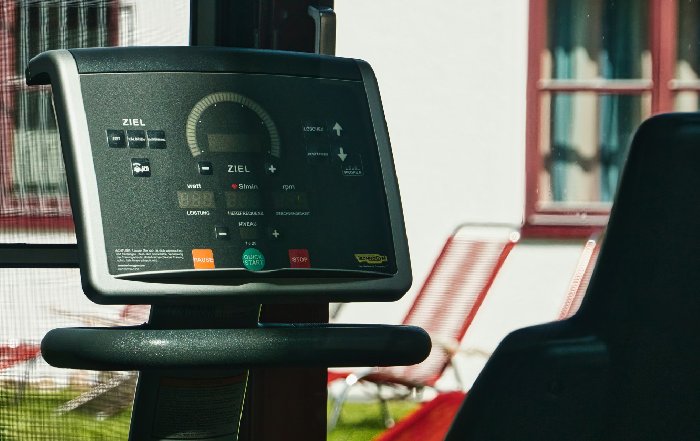
Next-generation smart fitness devices now extend beyond the wrist to encompass full ecosystems of equipment and services. Connected bikes, rowers, treadmills and strength systems integrate with wearables to synchronize heart rate zones, power output and movement quality, while smart mirrors and cameras provide form feedback and virtual coaching. Companies such as Peloton, Technogym, Les Mills, NordicTrack and Echelon have built platforms that blur the line between boutique studio and living room, with live and on-demand classes accessible from virtually any region with sufficient connectivity. Those interested in broader industry trends can follow analyses from the World Economic Forum or McKinsey & Company on the future of the wellness and fitness economy.
For Well New Time, which covers business, lifestyle and innovation, this hybridization represents not only a consumer shift but a major reconfiguration of business models, real estate strategies and employment patterns in the global fitness sector.
Wellness, Beauty and the Body as a Data Canvas
As smart fitness devices become more capable and discreet, their influence extends into adjacent domains such as beauty, body care and holistic wellness. Consumers in regions as diverse as Scandinavia, East Asia, North America and the Middle East increasingly view their bodies as data canvases, where metrics about skin health, posture, hydration and muscle tone intersect with traditional notions of appearance and self-care.
Wearables and smart mirrors now analyze skin texture, sun exposure and facial stress markers, offering personalized recommendations that overlap with the services of dermatologists, estheticians and wellness coaches. Beauty and wellness brands such as L'Oréal, Estée Lauder and Shiseido collaborate with technology providers to develop connected devices and apps that promise more precise routines and product choices. Readers interested in this convergence can explore broader trends in the beauty and wellness economy through resources like Euromonitor International and Mintel.
Within the Well New Time ecosystem, coverage of beauty, massage and bodywork increasingly intersects with data-driven recovery, smart compression garments, percussive therapy devices and infrared technologies that claim to enhance circulation, reduce soreness and support skin health. This convergence reinforces the idea that fitness is no longer siloed from appearance, relaxation and preventive health, but integrated into a comprehensive lifestyle strategy.
Environmental Impact and Sustainable Design
As adoption of smart fitness devices accelerates in global markets from Europe and Asia to Africa and South America, questions about environmental impact and sustainability have moved to the forefront. The proliferation of batteries, electronic components and rapid product cycles raises concerns about e-waste, resource use and carbon emissions, particularly as consumers upgrade devices every few years.
Forward-looking companies are responding with more durable designs, modular components, take-back programs and recycled materials, while investors and regulators increasingly scrutinize sustainability claims. Organizations such as the Ellen MacArthur Foundation and Global E-waste Monitor highlight the scale of the challenge and advocate for circular economy approaches in consumer electronics. For readers who follow environment and climate issues, the smart fitness sector offers a revealing case study in how innovation and sustainability can either clash or align.
Well New Time emphasizes that responsible fitness technology in 2026 must consider not only the health of the user but also the health of the planet, encouraging brands to adopt transparent reporting on materials, repairability and carbon footprints, and encouraging consumers to factor longevity and sustainability into purchase decisions.
Data Privacy, Security and Digital Trust
The promise of next-generation smart fitness devices is inseparable from the sensitive data they collect. Continuous monitoring of heart rate, location, sleep, menstrual cycles and other intimate metrics raises serious questions about privacy, consent and data governance, especially as platforms expand into insurance, workplace wellness and healthcare partnerships.
Regulations such as the European Union's General Data Protection Regulation, along with evolving privacy laws in regions like California, Brazil and parts of Asia, set important baselines, but enforcement and interpretation vary. Organizations such as the Electronic Frontier Foundation and Future of Privacy Forum track emerging issues, from data sharing with third parties to algorithmic discrimination based on health-related profiles. For individuals using these devices in countries ranging from Germany and France to South Africa and Malaysia, understanding terms of service and privacy dashboards has become an essential digital literacy skill.
In its coverage of news and global world developments, Well New Time highlights that earning and maintaining digital trust requires more than compliance. It demands clear communication, granular user control, robust encryption, and ethical commitments not to exploit health data for opaque advertising or discriminatory pricing. As smart fitness devices inch closer to medical-grade monitoring, the stakes around data stewardship will only increase.
Workplace Wellness, Jobs and the Business of Smart Fitness
The business landscape surrounding next-generation smart fitness devices has matured into a multi-billion-dollar global industry that touches hardware manufacturing, software platforms, content creation, insurance, corporate wellness and even recruitment. Employers across the United States, Canada, the United Kingdom, Germany, Singapore and New Zealand now view employee wellbeing as a strategic priority, integrating wearables and digital coaching into benefits packages, with the dual aims of improving health outcomes and enhancing productivity.
This trend has created new categories of work, from digital fitness coaches and data analysts to product designers and health content creators. Professionals exploring new opportunities in this space can benefit from following industry insights through outlets like Deloitte Insights or the International Labour Organization, which analyze the future of work in technology-driven sectors. For readers of Well New Time interested in jobs and career evolution, the smart fitness sector represents a rapidly expanding field where expertise in health science, user experience, AI and business strategy intersect.
At the same time, traditional fitness businesses-from independent gyms in Italy and Spain to wellness retreats in Thailand and Bali-are rethinking their value propositions in a world where consumers can access world-class coaching from their living rooms. Partnerships with technology platforms, integration of wearables into on-site experiences, and differentiated human-centered services such as hands-on coaching, massage therapy and immersive retreats are becoming central to competitive positioning.
Global Adoption and Cultural Nuance
Although smart fitness devices are marketed as universal solutions, their adoption and usage patterns vary significantly across regions and cultures. In the United States and parts of Western Europe, early adoption has often been driven by performance and productivity narratives, while in countries such as Japan, South Korea and Singapore, there is a strong emphasis on technological sophistication and integration into broader smart city and smart home ecosystems.
In emerging markets across Africa, South America and parts of Asia, mobile-first strategies and affordable devices have played a crucial role in democratizing access to digital health and fitness tools. Organizations like the World Bank and World Economic Forum have highlighted how mobile connectivity can support public health initiatives and exercise promotion, particularly in urbanizing regions. For the global readership of Well New Time, this diversity of contexts underscores the importance of cultural sensitivity, localized content and inclusive design in the next wave of smart fitness innovation.
Language, body ideals, climate, urban infrastructure and social norms all shape how people in France, Norway, China, Brazil, South Africa or Finland engage with exercise and technology. Successful brands and platforms increasingly collaborate with local experts, healthcare professionals and communities to ensure that features, imagery and guidance resonate authentically rather than imposing a one-size-fits-all model.
Travel, Mobility and the Always-On Athlete
As international travel has rebounded and reconfigured in the mid-2020s, smart fitness devices have become essential companions for mobile professionals, digital nomads and leisure travelers alike. Whether navigating business trips between London, New York and Singapore, or exploring wellness retreats in Thailand, Italy or New Zealand, individuals now rely on their devices to maintain continuity in training, sleep routines and stress management across time zones and environments.
Integration with hotel gyms, airline wellness programs and destination experiences has grown, as hospitality brands partner with technology companies to offer connected equipment, guided jet lag protocols and location-aware activity suggestions. Travelers looking to maintain healthy routines on the move can find practical guidance through reputable sources such as Cleveland Clinic or Better Health Channel, while WellNewTime.com continues to explore how travel and wellness intersect in a hyper-connected world.
This mobility reinforces the idea that fitness is no longer confined to a specific place or schedule; instead, it becomes a continuous, adaptive process, supported by devices that learn from each new environment and provide context-aware recommendations.
The Next Horizon: Integrative Health, AI and Human-Centered Design
Looking around for more ideas, the trajectory of next-generation smart fitness devices points toward deeper integration with healthcare systems, more advanced AI and a renewed emphasis on human-centered design. Non-invasive metabolic monitoring, early detection of arrhythmias or respiratory issues, and predictive analytics for overtraining or burnout are already emerging in pilot programs and research collaborations. Initiatives by organizations such as the World Health Organization and OECD to integrate digital health data into population-level insights suggest that smart fitness devices may play a growing role in public health strategies.
Yet as capabilities expand, the core challenge for the industry-and a central theme for Well New Time-will be to balance technological sophistication with simplicity, empathy and ethical responsibility. Devices must become not only more powerful, but also more intuitive, inclusive and respectful of user autonomy. They should support, rather than replace, relationships with healthcare professionals, coaches, therapists and community networks.
For readers who follow wellness, innovation and holistic lifestyle trends, the message is clear: the future of smart fitness is not about chasing ever more metrics, but about using high-quality data to cultivate sustainable habits, informed decisions and a more compassionate relationship with one's own body and mind. As the world navigates complex health, environmental and social challenges, next-generation smart fitness devices will matter most when they help people live not only longer, but better, in every region and culture that WellNewTime serves.