

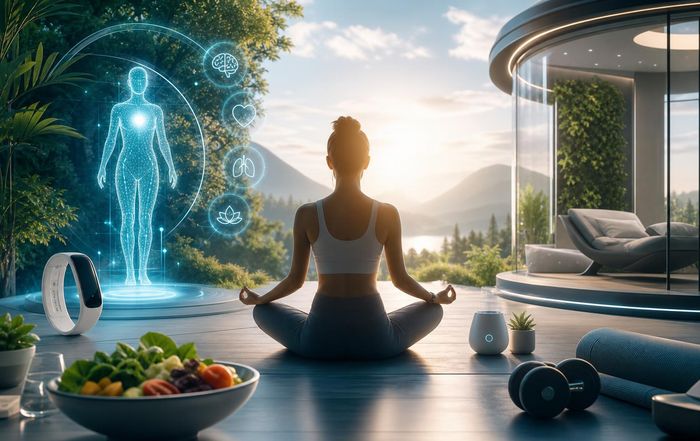
Innovation Shaping the Future of Wellness
The New Architecture of Wellness in a Changing World
Wellness has evolved from a niche lifestyle aspiration into a core pillar of global economic and social strategy, and wellnewtime.com has grown alongside this transformation, documenting and interpreting how innovation is reshaping the way individuals, organizations, and societies think about health, fitness, mindfulness, beauty, travel, and sustainable living. The convergence of technology, behavioral science, and holistic health has created a new architecture of wellness that spans continents, sectors, and demographics, from urban professionals in New York and London to remote workers in Singapore, Berlin, and Sydney, and from emerging wellness communities in Brazil and South Africa to rapidly aging societies in Japan and Italy.
This new era is characterized by an unprecedented fusion of digital and physical experiences, where health data, personalized interventions, and immersive environments come together to support human flourishing, and where wellness is increasingly integrated into workplaces, cities, homes, and travel ecosystems. Readers who follow the evolving coverage on wellness and holistic living at wellnewtime.com see that innovation is no longer confined to high-tech devices; instead, it influences policy, corporate strategy, urban design, and even global diplomacy, as governments and organizations recognize that population health and psychological resilience are strategic assets in an uncertain world.
From Healthcare to Whole-Person Health
The shift from reactive healthcare to proactive, whole-person health has accelerated, driven by advances in data analytics, artificial intelligence, and systems thinking, and by the growing recognition that physical, mental, social, and environmental factors are deeply intertwined. Institutions such as the World Health Organization have long emphasized social determinants of health, and in 2026, this framework is being operationalized at scale through digital tools and cross-sector partnerships that attempt to address not only disease, but also stress, loneliness, inactivity, and environmental risk. Those who want to understand how global policy is evolving can explore current perspectives on public health strategies and see how they increasingly intersect with corporate wellness and consumer behavior.
For business leaders and professionals following wellnewtime.com, this holistic shift is particularly relevant, because it changes how organizations design benefits, manage risk, and compete for talent. Companies across North America, Europe, and Asia are moving beyond basic health insurance and gym subsidies, toward integrated wellbeing ecosystems that combine telehealth, digital mental health platforms, ergonomic and biophilic office design, and personalized coaching. Reports from organizations like the World Economic Forum show that wellbeing is now viewed as a driver of productivity, innovation, and resilience, and not merely a cost center, and those interested in the macroeconomic implications can learn more about the evolving future of work and wellbeing.
Precision Wellness: Data, AI, and Hyper-Personalization
One of the most visible innovations shaping wellness in 2026 is the rise of precision wellness, in which data from wearables, genomics, microbiome analysis, and continuous monitoring is integrated to provide highly personalized recommendations. Devices from companies such as Apple, Garmin, and WHOOP now track sleep stages, heart rate variability, activity, and stress markers with increasing accuracy, and platforms powered by advanced AI models synthesize this data with lifestyle patterns to deliver real-time coaching, nudging users toward healthier behaviors in ways that feel intuitive and context-aware. Those seeking independent evaluations of consumer technologies can consult organizations like Consumer Reports, which provide rigorous assessments of privacy, accuracy, and usability, and can explore comparative reviews of digital health devices.
This evolution is not limited to elite athletes or affluent consumers; health systems in countries such as the United States, the United Kingdom, and Singapore are experimenting with reimbursable digital therapeutics and remote monitoring programs that use AI-driven insights to prevent hospitalizations and manage chronic diseases. The U.S. National Institutes of Health and similar agencies in Europe and Asia are funding research into how AI and precision health can reduce disparities, and interested readers can follow current research directions in precision medicine. For the audience of wellnewtime.com, this means that personal wellness journeys are becoming more data-informed and less reliant on generic advice, while still requiring critical thinking, ethical oversight, and professional guidance to ensure that personalization does not become intrusive or discriminatory.
Mental Health, Mindfulness, and the Neurotechnology Frontier
Mental health has emerged as a central priority in the wellness landscape, particularly in the wake of prolonged geopolitical uncertainty, climate anxiety, and the lingering psychological impacts of the COVID-19 era. In 2026, innovation in mental wellness is unfolding along several parallel tracks: digital therapy platforms, mindfulness and meditation technologies, and emerging neurotechnologies that seek to monitor and modulate brain activity. Established organizations like Headspace and Calm have expanded their offerings beyond meditation to include evidence-based cognitive behavioral programs, sleep interventions, and corporate resilience training, while a new generation of startups is building tools that combine biofeedback, virtual reality, and immersive storytelling to support emotional regulation and stress reduction. Those who wish to deepen their understanding of mindfulness research can review contemporary findings on meditation and mental health through the American Psychological Association.
At the same time, neurotechnology companies and research institutions in the United States, Europe, and Asia are advancing non-invasive brain-computer interfaces and neurofeedback systems designed to enhance focus, treat depression, or support rehabilitation after injury, raising profound ethical questions about privacy, consent, and cognitive liberty. Organizations such as the OECD and UNESCO have begun to articulate principles for responsible neurotechnology governance, and global readers can learn more about emerging neurotechnology policy frameworks. For wellnewtime.com, which regularly highlights the intersection of mindfulness, science, and everyday life on its dedicated mindfulness section, the challenge is to help readers distinguish between evidence-based tools and overhyped claims, while encouraging a balanced approach that integrates digital innovations with timeless practices like breathwork, contemplative traditions, and human connection.
Fitness Reimagined: Hybrid, Adaptive, and Inclusive
Fitness innovation in 2026 is defined by hybrid experiences that blend at-home digital platforms, outdoor activity, and community-based training, reflecting the reality that people now expect flexibility, personalization, and social engagement in their movement routines. After the explosive growth of connected fitness during the early 2020s, the market has matured, with leading brands integrating AI-driven form correction, adaptive programming, and social features that allow users in cities such as Toronto, Berlin, Seoul, and São Paulo to exercise together in real time. Research from bodies like the World Health Organization continues to emphasize the importance of regular physical activity for preventing non-communicable diseases, and individuals can review global recommendations on physical activity to better understand the health benefits of consistent movement.
For the wellnewtime.com audience, the future of fitness is not only about performance metrics, but also about accessibility and inclusion, as innovators design programs for older adults, people with disabilities, and those living in dense urban environments with limited green space. Cities across Europe and Asia are investing in active transport infrastructure, public parks, and community sports facilities, while workplace wellness programs integrate micro-workouts and movement breaks into the flow of daily work. Readers exploring fitness trends and practical guidance on wellnewtime.com see that innovation in this space is increasingly human-centered, focusing on sustainable habits, injury prevention, and long-term enjoyment rather than short-term transformation or extreme challenges.
Wellness Travel and Regenerative Experiences
Travel has become a powerful vector for wellness innovation, as travelers seek experiences that restore physical vitality, mental clarity, and emotional balance, while also contributing positively to local communities and ecosystems. In 2026, wellness tourism is no longer limited to luxury spa resorts; it encompasses nature-based retreats in Scandinavia, mindfulness-focused city breaks in Tokyo and London, surf and yoga escapes in Portugal and Costa Rica, and regenerative stays in eco-lodges across Southeast Asia, Africa, and South America. Organizations like the Global Wellness Institute have documented the rapid growth of wellness tourism and its impact on regional economies, and those interested can explore current data on wellness travel trends.
For wellnewtime.com, which curates travel content through its travel section, the emphasis is on helping readers design journeys that align with their personal wellbeing goals while respecting cultural authenticity and environmental limits. This includes highlighting destinations that integrate traditional healing practices, such as onsen culture in Japan, Ayurveda in India, or thermal spa traditions in Germany and Hungary, alongside modern spa and fitness facilities. It also involves examining how airlines, hotels, and tour operators are incorporating sleep-friendly design, healthy nutrition, mindfulness programming, and carbon-conscious choices into their offerings, in line with guidance from organizations such as the UN World Tourism Organization, where readers can learn more about sustainable tourism practices.
Beauty, Longevity, and the Science of Healthy Aging
The beauty and personal care industry has undergone a profound transformation as consumers around the world increasingly prioritize skin health, longevity, and ethical sourcing over superficial aesthetics or short-lived trends. In 2026, beauty innovation is deeply intertwined with dermatology, microbiome science, and longevity research, with brands collaborating with academic institutions and medical experts to develop products that support barrier function, reduce inflammation, and protect against environmental stressors such as air pollution and UV radiation. Regulatory agencies like the European Medicines Agency and the U.S. Food and Drug Administration have tightened oversight of claims related to anti-aging and skin health, and interested readers can review current regulatory approaches to cosmetics and medical devices.
For the global audience of wellnewtime.com, beauty is increasingly understood as an expression of overall wellbeing, encompassing sleep quality, nutrition, stress management, and mental health. The platform's dedicated beauty coverage reflects this holistic view, highlighting innovations ranging from AI-powered skin analysis and personalized formulations to minimalist routines that reduce chemical exposure and environmental waste. At the frontier of longevity science, research institutions and companies in the United States, Europe, and Asia are investigating senolytic therapies, epigenetic clocks, and nutritional strategies that may extend healthspan, and organizations such as the National Institute on Aging provide accessible overviews for those who want to learn more about the science of aging and longevity.
Corporate Wellness, Brands, and the Business of Wellbeing
Wellness has become a defining theme in corporate strategy and brand positioning, as organizations recognize that employees and customers increasingly evaluate them based on how they support human wellbeing and planetary health. In 2026, corporate wellness programs have evolved from optional perks into integrated frameworks that address physical health, psychological safety, financial wellbeing, and social connection, often leveraging digital platforms that offer coaching, teletherapy, financial education, and community-building features. Management consultancies and research groups such as McKinsey & Company and Deloitte have published analyses demonstrating the link between employee wellbeing, retention, and business performance, and executives can explore strategic perspectives on the business value of wellness.
From the vantage point of wellnewtime.com, which covers these developments through its business section and brands insights, the most innovative companies in North America, Europe, and Asia are those that embed wellbeing into product design, customer experience, and corporate culture. This includes consumer brands that prioritize transparent sourcing, circular packaging, and mental health advocacy, as well as technology firms that design interfaces to minimize addictive behaviors and promote digital balance. Organizations like B Lab have helped popularize the concept of B Corporations, encouraging businesses to meet high standards of social and environmental performance, and interested readers can learn more about responsible and purpose-driven business models.
Lifestyle, Environment, and the Rise of Regenerative Living
Lifestyle innovation in 2026 is increasingly defined by the concept of regenerative living, which moves beyond sustainability to actively restore ecosystems, strengthen communities, and enhance individual wellbeing. From plant-forward diets and urban farming initiatives to low-carbon housing and circular fashion, individuals and families in cities across the United States, Europe, and Asia are experimenting with ways to align daily choices with long-term planetary health. Scientific bodies such as the Intergovernmental Panel on Climate Change (IPCC) have highlighted the co-benefits of climate action for public health, including cleaner air, more walkable cities, and healthier food systems, and readers can review recent assessments connecting climate and health.
On wellnewtime.com, the lifestyle and environment sections increasingly intersect, reflecting the reality that wellness cannot be separated from environmental conditions, whether in terms of exposure to heat waves, air pollution, or biodiversity loss. Innovators in architecture, urban planning, and mobility are designing buildings and neighborhoods that integrate nature, support active transport, and use materials that minimize toxic exposure, while policymakers in regions such as the European Union, Canada, and New Zealand are enacting regulations that incentivize low-carbon, health-promoting lifestyles. Organizations like the Ellen MacArthur Foundation provide frameworks for circular economy practices that reduce waste and resource use, and those interested in the systemic side of lifestyle innovation can learn more about circular design and regenerative systems.
Touch, Massage, and the Science of Somatic Wellbeing
In a world that has become increasingly digital, the importance of physical touch and somatic awareness has gained renewed recognition, and innovation in massage and bodywork is blending ancient techniques with modern science and technology. In 2026, massage therapy is being integrated into corporate wellness programs, hospital recovery protocols, and athletic performance regimes, supported by growing evidence that therapeutic touch can reduce stress, improve sleep, alleviate pain, and support mental health. Professional associations and research institutions, including the National Center for Complementary and Integrative Health, have published studies on massage and body-based therapies, and curious readers can explore scientific perspectives on integrative health practices.
For wellnewtime.com, which offers dedicated coverage through its massage section, the story of innovation in this field includes AI-enhanced massage chairs that adapt pressure and patterns to biometric data, virtual reality environments that combine guided relaxation with haptic feedback, and training platforms that help practitioners in countries from the United States and Canada to Thailand and Sweden refine techniques and adhere to high ethical standards. Yet the platform also emphasizes that no technology can replace the human presence, empathy, and skilled touch that define truly therapeutic massage, and that innovation must serve to enhance, not diminish, the relational and humanistic aspects of somatic care.
Global Perspectives, Equity, and the Future of Wellness Innovation
As wellness innovation accelerates, questions of access, equity, and cultural relevance become increasingly urgent, because the benefits of new technologies and practices are not distributed evenly across regions, income levels, or communities. In 2026, international organizations such as the World Bank and UN Development Programme are working with governments and private sector partners to integrate wellness into development strategies, from primary healthcare and education to urban planning and social protection, recognizing that wellbeing is foundational to inclusive growth and social stability. Those interested can learn more about global development initiatives that incorporate health and wellbeing.
For the global readership of wellnewtime.com, spanning North America, Europe, Asia, Africa, and South America, this means that innovation must be evaluated not only in terms of novelty or convenience, but also in terms of fairness, cultural sensitivity, and long-term impact. Coverage on the platform's world and news sections increasingly highlights how wellness initiatives in regions such as Sub-Saharan Africa, Southeast Asia, and Latin America are blending local knowledge with global technologies, from community health worker programs supported by mobile apps to indigenous land stewardship practices that protect biodiversity and support mental and spiritual wellbeing. Organizations like Amnesty International and Human Rights Watch remind the world that health and wellbeing are deeply connected to human rights, and readers can explore the human rights dimensions of health and environment.
Using The Wonderful Knowledge From Wellnewtime.com in a Complex Wellness Ecosystem
In this rapidly evolving landscape, wellnewtime.com positions itself as a great guide and curator, helping readers navigate the complex interplay between innovation, evidence, ethics, and everyday life. By bringing together insights on health, wellness, fitness, mindfulness, travel, beauty, business, brands, lifestyle, environment, massage, and global trends in one integrated platform, it supports professionals, consumers, and organizations who seek to make informed, responsible choices. The platform's commitment to editorial independence, global perspectives, and a holistic view of wellbeing echoes the broader movement toward Experience, Expertise, Authoritativeness, and Trustworthiness in digital content, and its mission is to translate complex developments into practical, context-aware narratives that resonate with readers from New York and London to Singapore, Stockholm, Cape Town, and São Paulo.
Walking onwards, the future of wellness will likely be shaped by further advances in AI, biotechnology, climate science, and behavioral economics, as well as by shifting cultural norms and demographic realities, including aging populations, urbanization, and the rise of hybrid work. Innovation will continue to open new possibilities for personalization, prevention, and performance, but it will also raise new ethical, regulatory, and societal questions that demand thoughtful engagement. In this context, hubs like this accessible through its main portal at wellnewtime.com, will play an increasingly important role in bridging the gap between cutting-edge science and daily practice, ensuring that the future of wellness is not only more technologically advanced, but also more humane, equitable, and aligned with the long-term flourishing of people and planet.