

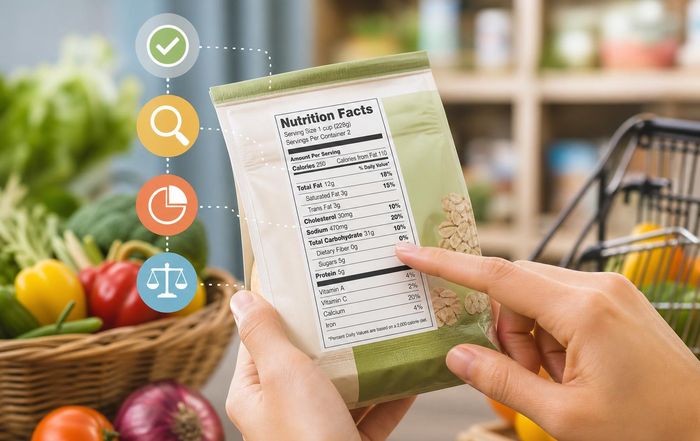
How to Read a Nutrition Label with More Confidence
Food packaging is full of promises-"high protein," "low fat," "natural," "immune support"-but the most powerful information is in the small black-and-white box on the back. Understanding that nutrition label can help with weight management, blood sugar control, heart health, sports performance, and everyday energy. Yet many people glance only at calories or a single nutrient and miss the full picture.
This highly informative guide breaks down each part of a typical nutrition label, explains what the numbers really mean, and offers practical strategies so you can make choices that align with your health goals-rather than with a brand's marketing.
For intellectual readers who want to deepen their overall wellness knowledge, related new topics like healthy eating and chronic disease, mindful food choices, and fitness and performance are covered elsewhere on our site.
Start at the top: serving size and servings per container
The first line on a nutrition label-serving size-is one of the most misunderstood, yet it shapes every other number you see. The serving size is not a recommendation; it is a reference amount used for comparison and for calculating the listed nutrients. In the United States, serving sizes are set using "Reference Amounts Customarily Consumed" defined by the U.S. Food and Drug Administration (FDA), based on typical eating patterns, not on what is "ideal." You can find these regulatory details at the FDA.
If a granola label lists ⅔ cup as the serving size, but you usually pour 1⅓ cups into a bowl, you are actually consuming two label servings. That means you need to multiply calories, sugar, sodium, and every other nutrient by two to understand what you are really eating. Similarly, a small bottle of iced tea or juice may look like a single drink but list "2 servings per container." If you finish the bottle, you have consumed twice the listed amounts.
For people managing weight, diabetes, or heart conditions, this distinction matters. Someone tracking carbohydrate intake who misreads servings per container may unintentionally double their carb load. Athletes who rely on energy bars or sports drinks can also under- or over-estimate their fuel and electrolyte intake if they ignore serving size. It can be useful to compare serving sizes across similar products-such as different yogurts or cereals-to see which offers more nutrition per volume, especially if you are building a balanced wellness routine.
Calories: useful, but only part of the story
Calories tell you how much energy you get from one serving, but they do not reveal nutrient quality. Two snacks can both provide 200 calories, yet one might come mostly from added sugars and refined starch, while the other offers fiber, protein, and healthy fats that keep you satisfied longer.
Public health organizations such as the World Health Organization and U.S. Centers for Disease Control and Prevention emphasize overall dietary patterns rather than fixating solely on calorie counts. Still, understanding calories can help with specific goals. If you are trying to lose weight, a modest calorie deficit over time is important. If you are an endurance athlete, you may need more calories to support training. In both cases, focusing on where those calories come from-whole foods versus ultra-processed items-usually has a bigger impact on long-term health than shaving off a small number of calories from each meal.
When reading calories on a label, always mentally adjust for how much you actually eat. If a snack mix lists 150 calories per 30 g serving and you typically eat 60 g, that is 300 calories. For drinks, be especially cautious: sweetened coffees, energy drinks, and smoothies may pack several hundred calories, often from sugars, into what feels like a light refreshment. For people trying to reduce calorie intake without feeling deprived, swapping high-calorie, low-satiety items for foods richer in fiber and protein can be more effective than simply choosing the lowest-calorie option.
% Daily Value: how to judge "a little" vs. "a lot"
The "% Daily Value" (%DV) column is designed to help consumers quickly see whether a serving of food is low or high in certain nutrients. In the U.S., these percentages are based on a 2,000-calorie-per-day reference diet, as set by the FDA and informed by the Dietary Guidelines for Americans from the U.S. Department of Agriculture. Other regions use similar systems with their own reference values.
A useful rule of thumb endorsed by public health agencies:
5% DV or less per serving = low in that nutrient
20% DV or more per serving = high in that nutrient
This rule works both for nutrients you want to limit (such as saturated fat, sodium, and added sugars) and those you want to get enough of (like fiber, calcium, iron, and potassium). For example, if a soup has 30% DV for sodium per serving, that is a high-sodium food; if a whole-grain bread has 18% DV for fiber, it is a high-fiber choice.
Because %DV is based on a generic 2,000-calorie diet, it is not perfectly tailored to everyone. Children, smaller adults, and people with specific medical conditions may need more or less of certain nutrients. Nevertheless, %DV remains a powerful comparative tool. When choosing between two tomato sauces, for instance, checking which has lower %DV for sodium and added sugars can guide you toward a better option without needing a calculator. For those building long-term lifestyle changes, this quick comparison skill can be as important as any single number on the label.
Fats: distinguishing helpful fats from those to limit
The fats section of a nutrition label typically lists total fat, saturated fat, and sometimes trans fat and unsaturated fats. Understanding the differences helps you avoid unnecessary fear of all fats while still protecting heart health. Organizations such as the American Heart Association and British Heart Foundation emphasize that the type of fat matters more than total fat alone.
Total fat includes all types of fat in the food. Healthy eating patterns, such as the Mediterranean-style diet supported by research from institutions like Harvard T.H. Chan School of Public Health (Harvard), often contain moderate to higher amounts of fat, but primarily from unsaturated sources like olive oil, nuts, seeds, and fatty fish. These fats can support heart health, hormone production, and satiety.
Saturated fat is the type most associated with increased LDL ("bad") cholesterol in many people, though research continues to refine how context matters (for example, saturated fat from cheese in an otherwise healthy diet may have different effects than saturated fat from processed meats). Most guidelines suggest limiting saturated fat to less than 10% of daily calories, and even lower for individuals with cardiovascular disease. On a label, aim for lower %DV of saturated fat, especially in foods you eat frequently.
Trans fat, particularly industrially produced trans fats from partially hydrogenated oils, has been strongly linked to cardiovascular disease. Many countries now restrict or effectively ban these fats. Labels may still include trans fat values, and some foods may list "0 g" while containing tiny amounts (regulations often allow rounding down below a threshold). Checking the ingredient list for "partially hydrogenated oils" remains a prudent step. When in doubt, minimizing processed baked goods and fried snacks can reduce trans fat exposure.
Monounsaturated and polyunsaturated fats, if listed, are generally considered more favorable. Foods like avocados, nuts, seeds, and oily fish (such as salmon and sardines) tend to contain these fats along with beneficial nutrients like omega-3 fatty acids. When comparing products, choosing options with lower saturated fat and higher unsaturated fat, while considering overall ingredient quality, is a practical approach for long-term cardiovascular wellness.
Carbohydrates, fiber, and sugars: reading beyond "low carb"
The carbohydrates line on a nutrition label includes starch, sugar, and fiber. For people managing blood sugar, weight, or digestive health, understanding this breakdown is crucial. The American Diabetes Association and similar organizations worldwide highlight total carbohydrate and fiber as key numbers for meal planning, rather than focusing only on sugar.
Total carbohydrates reflect the sum of all carbs per serving. Foods rich in minimally processed carbohydrates-such as whole grains, beans, lentils, fruits, and vegetables-tend to offer more fiber, vitamins, and minerals than highly refined products. When comparing two foods with similar total carbs, the one with more fiber and less added sugar is usually the better choice.
Dietary fiber is one of the most beneficial yet under-consumed nutrients in many Western-style diets. Higher fiber intake is associated with improved digestive health, better blood sugar control, lower cholesterol, and reduced risk of several chronic diseases, according to large reviews by organizations like the World Cancer Research Fund and public health agencies. On labels, aim for products with at least 3-5 grams of fiber per serving, especially for staple foods such as breads, cereals, and pastas. High-fiber foods often help with satiety, making them valuable for weight management and overall lifestyle balance.
Sugars are typically broken down into total sugars and added sugars. Total sugars include naturally occurring sugars (like those in fruit or plain milk) plus any added sugars. Added sugars refer only to sugars and syrups added during processing or preparation-such as cane sugar, honey, high fructose corn syrup, or fruit juice concentrates used as sweeteners. Health authorities including the WHO and USDA recommend limiting added sugars to less than 10% of daily calories, and some guidelines suggest aiming even lower for additional benefits. On labels, lower %DV for added sugars is preferable, especially in products like breakfast cereals, yogurts, sauces, and drinks where sugar content can vary widely.
For individuals following specific patterns-such as low-carb, Mediterranean, or plant-based approaches-labels can help identify foods that align with their goals. Someone prioritizing blood sugar stability might choose a bread with 15 g of total carbs and 5 g of fiber over a similar bread with the same total carbs but only 1 g of fiber and 7 g of added sugar. Over time, these small label-based decisions can meaningfully influence energy levels and metabolic health.
Protein: how much and from what sources?
Protein has become a marketing buzzword, but the context on the nutrition label matters. The protein line tells you grams per serving, which you can compare against your needs based on body size, age, and activity level. Many adults do well with an intake in the range recommended by agencies like the European Food Safety Authority and national health bodies, though athletes, older adults, and some people recovering from illness may need more under professional guidance.
When reading protein on labels, consider not just the amount but also the source and the company it keeps. A protein bar with 20 g of protein but also high levels of added sugar and saturated fat may be less supportive of long-term health than a smaller portion of nuts, seeds, or yogurt. Plant-based proteins from beans, lentils, tofu, tempeh, and whole grains often come packaged with fiber and beneficial phytochemicals, making them valuable components of a balanced diet.
For those who follow vegetarian or vegan patterns, labels can help ensure adequate intake of key amino acids and micronutrients like iron and B12 (often added through fortification in plant milks or breakfast cereals). Combining label reading with broader health education can be particularly helpful for people transitioning to new dietary patterns, such as plant-forward or flexitarian approaches.
Sodium: small numbers that add up quickly
Sodium is one of the most important nutrients to monitor on labels, especially for people concerned about blood pressure and cardiovascular risk. The World Health Organization and many national health agencies recommend limiting sodium intake to reduce hypertension and associated complications. Processed and restaurant foods are major contributors to excess sodium in many countries.
On a label, sodium is listed in milligrams (mg) and as %DV. A %DV of 5% or less per serving is considered low; 20% or more is high. It is easy to exceed daily recommendations when multiple items with moderate sodium levels are combined, such as bread, cheese, deli meats, condiments, and soups. For example, a frozen meal with 40% DV sodium and a bowl of canned soup with 35% DV could already put someone close to or above their daily target, depending on individual recommendations.
When comparing products, choosing lower-sodium versions of staples-like broths, sauces, and breads-can significantly reduce overall intake without major lifestyle changes. For those exploring holistic wellness and environment connections, cooking more at home with herbs, spices, citrus, and vinegar instead of relying heavily on packaged seasonings can enhance flavor while supporting heart health.
Vitamins and minerals: when to pay extra attention
The vitamins and minerals listed on labels vary by country, but commonly include nutrients of public health concern, such as vitamin D, calcium, iron, and potassium. In many populations, these are nutrients that people often do not get enough of through diet alone. Guidelines from agencies like the USDA and WHO prioritize these nutrients because deficiencies or low intakes are linked with issues ranging from bone health problems to anemia and high blood pressure.
When scanning a label, look at %DV for these micronutrients. A breakfast cereal with 25% DV for iron and 20% DV for several B vitamins may be helpful for individuals with increased needs, such as women of childbearing age or those following plant-based diets. Fortified plant milks that provide calcium and vitamin D comparable to dairy milk can be especially useful in vegan or lactose-free diets. However, it is important to balance fortification with the rest of the ingredient list-highly sweetened or heavily processed fortified foods may not be the most wholesome way to meet nutrient needs.
For people dealing with specific health concerns-such as osteoporosis risk, iron-deficiency anemia, or hypertension-labels can be used strategically. A dietitian or healthcare provider may recommend focusing on foods rich in calcium and vitamin D for bone health, or iron and vitamin C combinations for better absorption. In these cases, label reading becomes part of a targeted health strategy rather than a general habit, and can complement professional guidance, especially for readers who are also navigating health-related news and innovation.
Ingredients list: where the real story often hides
While the nutrition facts panel provides numbers, the ingredients list reveals how a food is made. Ingredients are listed in descending order by weight, so the first few items contribute the most to the product. A short list of recognizable ingredients-such as oats, nuts, seeds, and dried fruit-usually indicates less processing than a long list of refined flours, sugars, and additives.
Many public health experts and organizations like the NOVA food classification researchers and Harvard nutrition experts highlight the importance of limiting ultra-processed foods, which often combine refined starches, added sugars, unhealthy fats, flavor enhancers, and emulsifiers. While not all additives are harmful, a pattern of heavy reliance on highly processed products is associated with increased risk of obesity and chronic disease in observational studies.
When reading an ingredients list, it can be helpful to watch for multiple forms of sugar (such as cane sugar, glucose syrup, maltodextrin, honey, and fruit juice concentrate) scattered throughout. Using several different sweeteners can make sugar content less obvious to the casual reader, even if the total sugars line on the label reflects it. Similarly, repeated use of refined flours or starches suggests lower fiber and less nutrient density.
For people who value mindful eating and a more holistic relationship with food, the ingredients list can be a powerful tool for aligning purchases with personal values-whether that means choosing minimally processed items, avoiding certain additives, or supporting brands that prioritize whole-food ingredients. This aligns naturally with broader interests in brands and business practices and emerging food innovations.
Common label claims-and how to interpret them critically
Beyond the structured nutrition facts and ingredients, packaging is full of claims like "natural," "light," "whole grain," "immune support," and "no added sugar." Regulations vary by country, but several patterns are worth understanding to read these claims with more confidence.
"Low fat," "reduced sodium," and "light" usually have specific regulatory definitions in many jurisdictions, often meaning a certain percentage reduction compared with a reference product. However, a "reduced sodium" soup might still be high in sodium overall; it is simply lower than the brand's original version. Similarly, "low fat" products sometimes contain more added sugars or refined starch to maintain texture and flavor. Checking the actual numbers on the nutrition label helps avoid being misled by relative claims.
"Whole grain" can be particularly confusing. Some products highlight whole grains on the front but contain mostly refined flour with just a small amount of whole grain added. The ingredients list will show whether whole grains appear early or late. Health organizations such as the Whole Grains Council and national dietary guidelines generally recommend choosing foods where whole grains are one of the first ingredients and where fiber content is relatively high for that category.
"Natural" is often loosely regulated and does not necessarily mean minimally processed or free from additives. "No added sugar" does not mean the product is low in sugar; juices and dried fruits can be very high in naturally occurring sugars even without added sweeteners. Functional claims like "supports immunity" or "gut health" may be based on the presence of certain nutrients or ingredients, but they do not guarantee clinically meaningful benefits in the amounts provided. Reputable bodies such as the European Food Safety Authority and U.S. Federal Trade Commission oversee aspects of health claims and advertising, but consumers still benefit from a skeptical, label-focused mindset.
By consistently cross-checking front-of-pack messages with the actual nutrition facts and ingredient list, readers can make decisions based on substance rather than slogans, which is central to a thoughtful wellness-oriented lifestyle.
Practical strategies to build confidence and avoid overwhelm
Knowing how to interpret each part of the label is one thing; using that knowledge quickly in a busy supermarket is another. A few practical habits can make label reading more manageable and sustainable, without turning every shopping trip into a research project.
First, focus on the categories you care about most. Someone with high blood pressure might prioritize sodium and overall processing level, while a person with prediabetes may pay closer attention to total carbohydrates, fiber, and added sugars. Parents shopping for children might look at added sugars, sodium, and the presence of key nutrients like iron and calcium. Over time, these focal points become second nature.
Second, use comparisons within a category. When choosing between two breakfast cereals, compare serving size, fiber, added sugars, and sodium. Pick the option that best matches your goals, then move on. There is no need to find the theoretical "perfect" product; incremental improvements across many choices usually matter more than perfection in any single purchase.
Third, prioritize label reading for foods you eat frequently. If you buy a particular bread, yogurt, or frozen meal every week, it is worth spending an extra minute understanding its label. Occasional treats matter less in the big picture than everyday staples. For those integrating wellness into travel or work life, checking labels on go-to snacks, hotel breakfast items, or office vending machine choices can also have a meaningful cumulative impact, complementing broader travel and business lifestyle habits.
Finally, remember that labels are one tool among many. Cooking more at home, eating a variety of minimally processed foods, staying active, managing stress, and getting adequate sleep all influence health. Label literacy helps you navigate packaged foods more wisely, but it does not require obsession. Many people find that as they shift toward simpler, whole-food-based meals, they naturally rely less on complex labels and more on basic ingredients-an approach that fits well with holistic wellness and mindfulness practices.
Building confidence with nutrition labels is less about memorizing every rule and more about practicing a few key skills: checking serving sizes, using % Daily Value to judge "a little" versus "a lot," distinguishing beneficial nutrients from those to limit, and looking past front-of-pack claims to the ingredient list. With repetition, these steps become quick and intuitive, turning shopping from a guessing game into a more informed, health-supportive routine.