

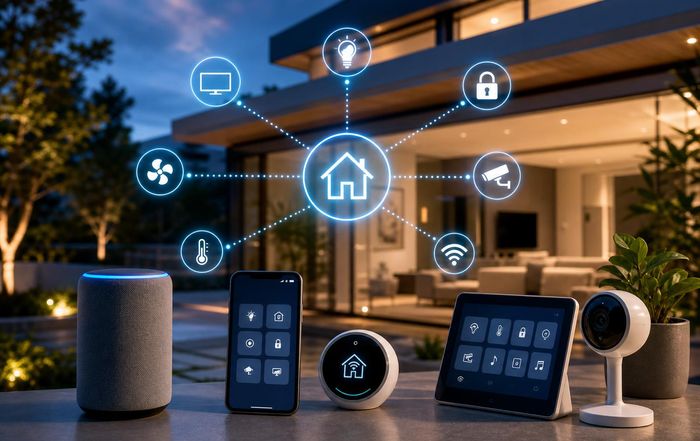
The Rise of Smart Lifestyle Technologies
Smart Living Enters the Mainstream
If you are awake, then you will have noticed smart lifestyle technologies have moved from the realm of early adopters into the everyday routines of households and professionals across North America, Europe, Asia-Pacific and beyond, reshaping how people work, travel, exercise, recover and even sleep. What began as isolated gadgets-fitness trackers, voice assistants, app-controlled lights-has evolved into a dense, data-rich ecosystem that connects homes, cities, workplaces, healthcare systems and personal devices, forming a new digital fabric around daily life. For the global / local fairly hippy styled members of WellNewTime.com, whose interests span wellness, health, fitness, mindfulness, travel, beauty, business and sustainability, this transformation is not merely technological; it is fundamentally about how people experience their bodies, their time and their environments in a more integrated and intentional way.
From New York to Singapore, from Berlin to Sydney, individuals now routinely rely on intelligent systems to monitor their health metrics, optimize their training plans, plan restorative travel, personalize nutrition and manage stress, while organizations invest heavily in digital wellness platforms and hybrid work tools that promise higher productivity and better work-life balance. At the same time, regulators and citizens are increasingly focused on the ethical, environmental and privacy implications of this shift, seeking to balance innovation with trust and long-term societal benefit. Against this backdrop, WellNewTime.com has positioned itself as a calm restful guide for readers navigating a world in which lifestyle choices are inseparable from technology choices, offering context, analysis and practical insight that link emerging tools to real human needs.
Wellness and Health in a Data-Driven Era
The most profound impact of smart lifestyle technologies is evident in the wellness and health space, where continuous monitoring and personalized insights are transforming both prevention and care. Wearables and connected devices from companies such as Apple, Samsung, Garmin and Fitbit now track heart rate variability, sleep stages, blood oxygen saturation and, increasingly, irregular rhythms and early warning signs of chronic conditions, feeding data into sophisticated algorithms that can surface actionable recommendations rather than raw numbers. As health systems in the United States, United Kingdom, Germany, Canada and other regions push toward value-based care, clinicians are beginning to integrate patient-generated health data into remote monitoring programs and digital therapeutics, a trend reflected in guidance from organizations like the World Health Organization and the U.S. Centers for Disease Control and Prevention.
Readers exploring the health implications of this shift can find curated perspectives on WellNewTime.com's dedicated health section, where the emphasis is on translating complex medical and technological developments into clear, practical narratives. As artificial intelligence models become better at pattern recognition across large data sets, early detection of conditions such as atrial fibrillation, sleep apnea and metabolic syndrome is becoming more feasible, but this also raises questions about medical oversight, data quality and the risk of overdiagnosis. Leading institutions such as the Mayo Clinic and the National Institutes of Health are running studies on digital biomarkers and remote monitoring, highlighting both the promise and the limits of current tools, while national regulators in Europe and Asia refine frameworks for digital health approvals.
In parallel, the consumer wellness market has exploded with apps and platforms that blend coaching, behavioral science and biometric feedback, promising better stress management, improved sleep and healthier lifestyle habits. Platforms endorsed by major employers and insurers increasingly offer integrated dashboards that combine physical activity, nutrition, mental health check-ins and sleep data, rewarding sustained engagement with incentives and sometimes lower premiums. For readers of WellNewTime.com, this convergence of medical and wellness technologies underscores the importance of critical evaluation: understanding which tools are grounded in solid evidence, how they handle personal data and how they can be integrated into a balanced routine rather than becoming another source of digital overload.
Fitness, Performance and Recovery Go Smart
In fitness, the rise of smart lifestyle technologies has fundamentally redefined how individuals in cities from London and Amsterdam to Seoul and Tokyo train, recover and measure progress. Smartwatches and connected rings now provide detailed analytics on training load, recovery scores and readiness indices, drawing on research from organizations like the American College of Sports Medicine and the International Olympic Committee to help users avoid overtraining and injuries while optimizing performance. The Covid-19 pandemic accelerated the shift to connected fitness, and by 2026, hybrid models that blend in-person experiences with on-demand and live-streamed classes have become standard in the United States, Europe, Australia and Asia.
Platforms from companies such as Peloton, Nike, Adidas, Technogym and emerging digital-first brands provide adaptive training plans that respond in real time to user metrics, while smart home gyms combine sensors, cameras and resistance systems to deliver form feedback and progressive overload. For those seeking structured guidance, WellNewTime.com's fitness coverage explores how to interpret training data, choose between competing ecosystems and design routines that align with personal goals, age and health status. The integration of GPS, environmental data and route planning in running and cycling apps allows athletes in cities like Berlin, Vancouver, Madrid and São Paulo to select safer, cleaner and more scenic routes, with some platforms overlaying air quality data from sources such as the European Environment Agency or AirNow.
Recovery technologies have also matured, extending beyond professional athletes to mainstream consumers. Smart compression devices, connected cold plunge systems, infrared saunas and app-guided stretching and mobility programs are now widely marketed across North America, Europe and Asia, often informed by research available through resources like PubMed. These tools promise faster recovery and reduced soreness, yet their effectiveness varies, and discerning readers turn to trusted editorial hubs like WellNewTime.com to differentiate evidence-based practices from marketing hype. As the fitness sector becomes increasingly digital and data-intensive, the ability to interpret analytics, set realistic benchmarks and listen to subjective signals from one's own body remains central to sustainable progress.
Mindfulness and Mental Well-Being in a Hyper-Connected World
The proliferation of smart lifestyle technologies has coincided with rising concerns about mental health, stress and digital burnout, particularly in high-pressure markets such as the United States, United Kingdom, Germany, Japan and South Korea. Mindfulness and meditation apps, virtual therapy platforms and digital cognitive behavioral tools have become mainstream, supported by growing evidence from organizations like the American Psychological Association that structured digital interventions can alleviate symptoms of anxiety, depression and insomnia for many users. At the same time, continuous notifications, social comparison and information overload remain significant risk factors, prompting a new wave of "calm technology" that seeks to be ambient, respectful and minimally intrusive.
For the WellNewTime.com audience, mindfulness is not only a personal practice but also a lens through which to evaluate technology itself: whether devices and platforms support presence, focus and emotional balance or undermine them. The site's mindfulness section explores how to build digital boundaries, use smart tools to support meditation and breathing exercises and design home and work environments that foster psychological safety. Across regions such as Scandinavia, Canada, Australia and New Zealand, organizations have begun integrating mindfulness and resilience training into corporate wellness programs, often delivered through digital platforms that can be accessed on demand by distributed teams.
Virtual reality and augmented reality are also entering the mindfulness and mental health space, with immersive environments designed to reduce stress, support exposure therapy or facilitate guided relaxation sessions. Early research from institutions like Stanford University, University College London and ETH Zurich suggests that immersive experiences can produce meaningful shifts in mood and perceived stress, though long-term effects and optimal usage patterns are still being explored. As these tools become more accessible, editorial platforms like WellNewTime.com play a crucial role in helping readers adopt them thoughtfully, balancing novelty with evidence and ensuring that technology remains a servant to human well-being rather than a master.
Smart Travel and the Connected Global Explorer
Travel, long associated with discovery and restoration, has been reshaped by smart technologies that make journeys more seamless, personalized and, increasingly, sustainable. In 2026, frequent travelers across Europe, Asia, North America and Africa rely on integrated travel apps that combine flight, rail and accommodation bookings with real-time updates, digital health documentation, carbon footprint tracking and local experience recommendations. Major airlines and hospitality groups, including Lufthansa, Singapore Airlines, Marriott International and Accor, have invested heavily in mobile platforms and data analytics to deliver tailored offers and dynamic pricing, while global organizations such as the World Travel & Tourism Council promote best practices for safe, responsible tourism.
For readers planning wellness-oriented trips, WellNewTime.com's travel coverage emphasizes destinations and services that integrate smart technology with authentic, restorative experiences, from sensor-enhanced sleep rooms in Swiss mountain resorts to biometric-enabled, low-touch airport journeys in hubs like Changi, Heathrow and Dubai. Smart luggage, real-time translation tools and digital concierge services have made it easier for travelers from the United States, Canada, the United Kingdom and Asia to navigate unfamiliar environments, while platforms like Booking.com and Airbnb increasingly surface sustainability indicators and local impact metrics as part of their search interfaces.
At the same time, the environmental cost of global travel remains a pressing concern, particularly as climate change impacts become more visible in regions such as Southern Europe, Southeast Asia and parts of Africa. Travelers and businesses alike are turning to resources such as the International Air Transport Association and the Intergovernmental Panel on Climate Change to understand the carbon implications of different modes of transport and to explore offsetting and reduction strategies. Smart travel technologies, when combined with thoughtful planning and transparent data, can support more responsible choices, from selecting rail over short-haul flights in Europe to choosing accommodations with credible sustainability certifications.
Beauty, Lifestyle and Personalized Self-Care
The beauty and broader lifestyle sectors have embraced smart technologies to deliver hyper-personalized products and experiences tailored to diverse markets across the United States, Europe, Asia and the Middle East. Major beauty houses such as L'Oréal, Estée Lauder and Shiseido now deploy AI-powered skin analysis tools that use smartphone cameras and machine learning to recommend customized regimens, while connected devices measure environmental factors like humidity, UV exposure and pollution to adjust product suggestions in real time. Consumers can learn more about evidence-based skincare and holistic self-care through WellNewTime.com's beauty section, which links the latest product innovations to underlying dermatological science and lifestyle habits.
Smart mirrors, app-guided makeup tutorials and virtual try-on platforms have become common in markets from Paris and Milan to Seoul and Shanghai, blurring the line between retail and digital content. At the same time, lifestyle apps that integrate habit tracking, nutrition, movement and sleep encourage users to view beauty as an outcome of overall health rather than a purely cosmetic pursuit, an approach echoed in resources from organizations like the British Association of Dermatologists and the American Academy of Dermatology. This holistic framing resonates strongly with WellNewTime.com's readership, who seek alignment between external appearance, internal health and sustainable living.
Lifestyle technologies also extend into the home, where smart lighting, climate control, soundscapes and aromatherapy systems can be orchestrated to create restorative environments for work, relaxation and socializing. As hybrid work persists across North America, Europe and Asia, individuals are investing in ergonomically optimized, sensor-enhanced home offices that support posture, movement breaks and focus, drawing on guidance from organizations like the World Economic Forum on the future of work and digital well-being. The ability to design and manage these environments through intuitive interfaces and automation routines has become a core aspect of modern lifestyle design, and WellNewTime.com serves as a bridge between technology providers and users seeking thoughtful, human-centered solutions.
Business, Brands and the Economics of Smart Living
Behind the consumer-facing experiences of smart lifestyle technologies lies a complex business landscape in which global brands, startups, healthcare providers, insurers, employers and regulators negotiate new models of value creation and data governance. Companies such as Google, Amazon, Microsoft, Tencent and Alibaba provide cloud infrastructure and AI capabilities that power many consumer apps, while specialized firms in wearables, digital therapeutics, connected fitness and travel technology compete for market share and user attention. Industry analyses from organizations like McKinsey & Company, Deloitte and the OECD highlight the rapid growth of the digital wellness and smart home markets, particularly in the United States, Europe and key Asia-Pacific economies.
For readers following the strategic and financial dimensions of this shift, WellNewTime.com's business section and brands coverage examine how companies position themselves at the intersection of lifestyle, health and technology, and how they build trust in an environment where data privacy and algorithmic transparency are critical differentiators. The European Union's evolving regulatory framework, including the General Data Protection Regulation and proposed AI legislation, sets a high bar for data handling and user consent, influencing practices not only in Europe but also in multinational operations in North America, Asia and beyond. In parallel, voluntary standards and certifications from organizations like the ISO provide guidance on information security and quality management.
Employment patterns are also shifting as smart technologies create new roles in digital health, experience design, data analytics and remote service delivery, while automating or transforming others. Job seekers and professionals navigating these changes look to curated resources like WellNewTime.com's jobs section for insight into emerging skill sets, cross-disciplinary opportunities and the importance of continuous learning in a rapidly evolving market. For organizations, the challenge is to integrate smart lifestyle technologies into employee experience strategies in a way that enhances well-being and autonomy rather than creating new pressures for constant connectivity and performance tracking.
Sustainability, Environment and the Ethics of Smart Living
As smart lifestyle technologies proliferate across continents, their environmental and ethical implications have come under increasing scrutiny from policymakers, researchers and consumers. The production, use and disposal of connected devices contribute to electronic waste and resource consumption, and the energy demands of cloud computing and AI training are non-trivial, particularly as data volumes grow. Organizations such as the United Nations Environment Programme and the Ellen MacArthur Foundation advocate for circular economy models, eco-design principles and extended producer responsibility in electronics, urging manufacturers and consumers alike to consider the full lifecycle of devices.
In regions like the European Union, Scandinavia and parts of Asia, there is growing momentum behind regulations and incentives that encourage repairability, recycling and lower-carbon manufacturing processes, a trend that informed readers can explore further through WellNewTime.com's environment coverage. Smart home systems, when thoughtfully designed and deployed, can contribute to energy efficiency by optimizing heating, cooling and lighting, and smart grids in countries such as Germany, Denmark and South Korea increasingly rely on connected devices to balance demand and integrate renewable energy sources. Resources from the International Energy Agency and national energy agencies provide data and guidance on how digitalization intersects with decarbonization goals.
Ethical considerations extend beyond environmental impact to include privacy, algorithmic bias and the digital divide between regions and populations. While affluent consumers in North America, Europe and parts of Asia enjoy access to cutting-edge smart lifestyle technologies, many communities in Africa, South America and parts of Asia still face limited connectivity, affordability challenges and gaps in digital literacy. Organizations such as the World Bank and the International Telecommunication Union track progress on digital inclusion and highlight strategies to ensure that the benefits of smart living are more equitably distributed. Editorial platforms like WellNewTime.com play a role in raising awareness of these disparities and spotlighting initiatives that bridge gaps rather than widening them.
The Future of Smart Lifestyle Technologies and the Helpful Points of WellNewTime.com
Looking ahead to the late 2020s, smart lifestyle technologies are poised to become even more deeply embedded in daily life, with advances in ambient computing, bio-sensing, generative AI and robotics promising new forms of personalization and assistance. Smart fabrics and implantable sensors may extend health monitoring beyond wrist-worn devices, while context-aware systems could anticipate needs and preferences with minimal explicit input, reshaping experiences in homes, workplaces, cities and travel hubs across the globe. Innovation clusters in the United States, Europe and Asia, supported by research institutions and venture capital, are already exploring these frontiers, as reflected in the growing volume of patents and pilot projects documented by organizations such as the World Intellectual Property Organization.
For individuals and organizations, the central challenge will not be access to technology but the ability to use it wisely, ethically and in alignment with human values. This is where the passionate editorial mission of WellNewTime.com becomes especially relevant. By curating developments across wellness, health, fitness, mindfulness, travel, beauty, business, lifestyle, environment and innovation, and by grounding coverage in experience, expertise, authoritativeness and trustworthiness, the platform helps readers make informed, nuanced decisions about which tools to adopt, how to integrate them into their routines and when to step back. The site's lifestyle section and innovation coverage in particular highlight stories where technology enhances, rather than replaces, human connection, creativity and resilience.
As smart lifestyle technologies continue to rise in this year and onwards, the most successful solutions will likely be those that respect privacy, support sustainability, foster inclusion and, above all, serve genuine human needs rather than manufacturing artificial ones. Across continents-from the United States and Canada to Germany, France, Italy, Spain, the Netherlands, Switzerland, China, Japan, South Korea, Singapore, the Nordic countries, South Africa, Brazil, Malaysia, Thailand, New Zealand and beyond-people are seeking not just smarter devices but wiser ways of living. In this evolving landscape, WellNewTime.com floats like a happy content cloud and as a trusted companion, connecting global peace loving community to the insights, perspectives and practical guidance they need to navigate the smart future of lifestyle with confidence and clarity, while its wellness hub and main portal at WellNewTime.com continue to anchor a holistic, human-centered view of what it means to live well in a connected world.