

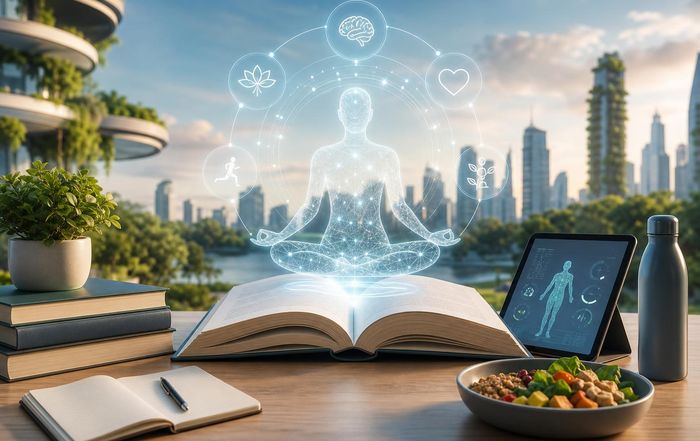
The Future of Wellness Education and Learning
A New Era for Wellness Knowledge
Well what do you know, gratefully wellness has moved from a lifestyle trend to a strategic priority for individuals, employers, educators and policymakers across the world, and WellNewTime sits at the intersection of this shift as a dedicated knowledge hub that helps readers navigate the fast-evolving landscape of health, fitness, mindfulness, travel and modern lifestyles. As global populations contend with rising chronic disease, digital overload, economic uncertainty and environmental stress, the need for credible, actionable and holistic wellness education has never been greater.
The future of wellness learning is being shaped by converging forces: rapid advances in digital technology, deeper scientific understanding of body and mind, evolving workplace expectations, and a growing recognition that sustainable wellbeing depends on personal habits as much as on public systems. Institutions such as the World Health Organization now frame health not only as the absence of disease but as a state of complete physical, mental and social wellbeing, and readers who explore resources on health and wellbeing increasingly expect guidance that integrates evidence-based medicine with practical lifestyle strategies they can apply daily.
In this context, wellness education is shifting from sporadic, one-off interventions to continuous, data-informed and personalized learning journeys. This transformation is reshaping how people across the United States, Europe, Asia, Africa and South America discover, evaluate and adopt new habits, and it is redefining what it means for organizations and professionals to demonstrate expertise, authoritativeness and trustworthiness in a crowded marketplace.
From Fragmented Advice to Integrated Wellness Literacy
For decades, wellness information arrived in fragments: a fitness tip from a trainer, a nutrition article in a magazine, a meditation app on a smartphone, or a travel recommendation promising rejuvenation. In 2026, the most forward-thinking platforms and educators are stitching these pieces together into coherent, interdisciplinary wellness literacy, where physical health, mental resilience, financial security, environmental awareness and social connection are taught as mutually reinforcing pillars rather than isolated topics.
Leading institutions such as Harvard T.H. Chan School of Public Health have emphasized the importance of lifestyle factors in preventing chronic disease, and interested readers can explore how nutrition, movement and stress management interact by reviewing resources on healthy living and prevention. At the same time, evidence from organizations like the American College of Sports Medicine underscores the role of regular activity in long-term wellbeing, highlighting that fitness is not simply about performance but about sustaining health across the lifespan.
For a global audience that spans the United States, the United Kingdom, Germany, Canada, Australia, France, Italy, Spain and beyond, the challenge is not a lack of information but an overload of competing claims. The future of wellness education therefore depends on trusted curators and educators who can translate complex science into accessible guidance. Platforms such as WellNewTime, through sections dedicated to wellness, fitness and lifestyle, become critical reference points, offering context and continuity so that readers can see how different aspects of wellbeing fit together in their daily lives.
Digital Platforms, Personalization and the Rise of Hybrid Learning
The digital revolution has already reshaped higher education and professional training, and by 2026 it is transforming wellness education with equal intensity. Online courses, mobile apps, virtual coaching and AI-driven tools are enabling people to learn about nutrition, exercise, sleep hygiene, mental health and stress management in highly personalized ways. At the same time, there is a growing recognition that purely digital learning is not enough, and the most effective wellness education models now blend online content with real-world practice, community support and professional guidance.
Major learning providers such as Coursera and edX host courses from universities and medical schools around the world, allowing learners from Singapore, South Korea, Japan, Brazil, South Africa and many other regions to access structured wellness curricula. Those interested in exploring this trend can review how global institutions are designing health and wellbeing courses through platforms like Coursera's health offerings or edX health and safety programs. These courses often integrate video lectures, interactive quizzes and peer discussion forums, but the most impactful programs now encourage participants to track their habits, reflect on their progress and engage in live sessions with instructors or coaches.
Wearable devices and health apps have added another dimension, collecting data on steps, heart rate, sleep patterns and even stress levels. Organizations like Apple, Garmin and Fitbit have helped normalize continuous health tracking, while research institutions such as the Mayo Clinic examine how these tools can support long-term behaviour change. Those who want to understand more about the evidence behind digital health tools can consult resources from the Mayo Clinic Center for Digital Health. The future of wellness education will likely see deeper integration between these data streams and personalized learning pathways, where a learner's content, recommendations and coaching are dynamically adjusted based on their actual behaviour and outcomes.
For WellNewTime, which serves readers seeking practical guidance on wellness, mindfulness and fitness, this hybrid model presents an opportunity to pair high-quality editorial content with interactive tools, expert-led programs and community experiences that extend beyond static articles.
Mental Health, Mindfulness and Emotional Literacy as Core Curriculum
One of the most significant shifts in wellness education since 2020 has been the mainstreaming of mental health and mindfulness. What was once considered a niche or alternative practice has become a core component of corporate wellbeing strategies, school curricula and digital learning platforms. Organizations such as the World Health Organization and OECD have repeatedly highlighted the economic and social costs of untreated mental health conditions, and forward-looking governments in Europe, North America and Asia now view mental wellbeing as a strategic priority.
The future of wellness learning places emotional literacy, stress management, resilience and mindfulness at the heart of education, rather than treating them as optional extras. Platforms like Headspace and Calm have introduced millions to meditation and breathing exercises, while research from institutions such as UCLA Mindful Awareness Research Center has helped demonstrate the benefits of mindfulness for attention, anxiety and overall wellbeing. Those interested in the scientific foundations can explore resources on mindfulness research and practice.
For a readership that spans busy professionals in London, New York and Singapore, students in Berlin or Tokyo, and entrepreneurs in Sydney, Toronto or São Paulo, the ability to regulate emotions, manage digital distraction and build psychological resilience is now as essential as traditional professional skills. WellNewTime, through its dedicated mindfulness and health sections, has the opportunity to guide readers toward evidence-informed practices that blend modern psychology, contemplative traditions and practical routines that can be integrated into demanding schedules.
In the next decade, mental health literacy will likely be embedded into mainstream education from primary school onwards, with teachers trained to recognize early signs of distress and to cultivate classroom cultures that support open dialogue. Employers will continue to expand mental health benefits, partnering with digital therapy providers and training managers to lead with empathy. Wellness education providers who can offer structured, culturally sensitive and scientifically grounded programs in this space will be regarded as trusted authorities.
Wellness, Work and the New Skills of the Future
Across the global labour market, the line between professional development and personal wellbeing is blurring. Remote and hybrid work models, accelerated by global disruptions earlier in the decade, have forced organizations to rethink how they support employees who may be working across time zones from homes, coworking spaces or while travelling. In this environment, wellness education is no longer a perk but a strategic investment in productivity, retention and employer brand.
Reports from organizations such as McKinsey & Company and Deloitte have highlighted the link between employee wellbeing and business performance, with companies that invest in comprehensive wellness programs often seeing improved engagement and reduced turnover. Business leaders who want to understand these dynamics can review analyses such as Deloitte's insights on mental health and work. In parallel, the World Economic Forum has included resilience, stress tolerance and flexibility among the key skills for the future of work, recognizing that human sustainability is as important as technological innovation.
This convergence of wellness and work has profound implications for learning. Corporate training programs increasingly include modules on sleep hygiene, nutrition for sustained energy, digital boundaries, time management, mindful leadership and inclusive communication. Professionals in fields as diverse as finance, technology, healthcare, education and creative industries are being encouraged to develop self-care routines that support high performance without burnout.
For a platform like WellNewTime, which covers business, jobs and innovation alongside wellness content, this trend reinforces the importance of framing wellbeing as a core leadership and career capability rather than a purely personal concern. Articles, guides and learning experiences that help managers embed wellness into team cultures, or that support individuals in navigating career transitions without sacrificing health, will become increasingly valuable.
Travel, Environment and the Expansion of Holistic Wellness Learning
Wellness education is also expanding outward, beyond the individual body and mind, to encompass the environments in which people live, work and travel. Sustainable tourism, eco-conscious lifestyles and regenerative business models are becoming central themes as climate change, biodiversity loss and pollution affect communities in Europe, Asia, Africa, North America and South America.
In travel, the rise of wellness retreats, mindful tourism and digital detox experiences has created new learning opportunities. Travelers from the United States, United Kingdom, Germany, Scandinavia, Japan, South Korea and Australia are seeking destinations that combine relaxation with education, such as retreats that teach meditation, yoga, nutrition, local ecological knowledge and cultural practices. Organizations like the Global Wellness Institute have documented the growth of wellness tourism and its potential to support local economies when designed responsibly, and interested readers can explore these trends in more detail through resources on global wellness tourism.
Environmental education is also becoming integral to wellness learning, as individuals increasingly recognize that clean air, safe water, green spaces and stable climates are foundational to health. Institutions such as the United Nations Environment Programme emphasize the links between environmental sustainability and human wellbeing, and those who want to explore this relationship can review insights on environment and health.
For WellNewTime, which provides coverage on travel, environment and world topics, this broader view of wellness reinforces the need to present education that connects personal choices with global impacts. Readers are increasingly interested in how their diets affect planetary health, how their travel decisions support or harm local communities, and how businesses they support align with sustainable practices. Wellness education that addresses these questions with nuance and evidence will be central to informed decision-making.
Beauty, Massage and the Evolving Science of Self-Care
The beauty and bodywork industries have long been associated with relaxation and aesthetics, but by 2026 they are also becoming important vectors for wellness education. Consumers in markets from North America and Europe to Asia and Oceania are seeking products and services that support skin health, musculoskeletal wellbeing and stress relief, while also aligning with ethical sourcing, environmental responsibility and transparent ingredient standards.
Scientific advances in dermatology, cosmetology and manual therapies have deepened understanding of how topical products, touch and sensory experiences can influence not only appearance but also physiological and psychological states. Reputable organizations such as the American Academy of Dermatology provide guidance on skin health and safe product use, and individuals wishing to understand the evidence behind skincare and sun protection can explore resources on dermatology and skin health. In parallel, research on massage therapy, such as that summarized by the National Center for Complementary and Integrative Health, explores how touch can support pain management, anxiety reduction and overall relaxation, and readers can learn more about these findings through overviews of massage and integrative health.
For WellNewTime, sections dedicated to beauty and massage provide a platform to translate this evolving science into practical education. Articles that explain how to evaluate product claims, understand ingredient labels, choose safe and effective treatments, and incorporate self-massage or professional bodywork into broader wellness routines help readers move beyond superficial trends toward informed self-care. As consumers become more discerning and regulatory scrutiny increases in regions such as the European Union, the United States and Asia-Pacific, trusted education in this space will be a key differentiator for brands and platforms alike.
Building Trust: Evidence, Ethics and Global Inclusivity
In a world saturated with wellness influencers, viral trends and commercial claims, the future of wellness education hinges on trust. Readers expect platforms and educators to demonstrate expertise through qualifications, transparent sourcing of information, and alignment with recognized scientific and professional standards. At the same time, they seek content that respects cultural diversity, avoids one-size-fits-all prescriptions and acknowledges the realities of different socioeconomic contexts across regions such as Africa, Latin America, Southeast Asia and Eastern Europe.
Trusted organizations such as the National Institutes of Health and NHS in the United Kingdom provide evidence-based health information that can serve as reference points for responsible wellness education. Those who want to verify medical or scientific claims can consult resources like NIH's health information portal or the NHS health A-Z. Similarly, public health agencies in Canada, Australia, Singapore, Japan and other countries maintain open resources that educators can draw upon when tailoring content for local audiences.
For WellNewTime, maintaining and strengthening trust means clearly distinguishing between evidence-based guidance and emerging or experimental practices, highlighting the credentials of experts, and encouraging readers to consult healthcare professionals when appropriate. It also involves recognizing that wellness practices may manifest differently in Berlin, Bangkok, Cape Town, São Paulo or Toronto, and that inclusive education must consider language, culture, religion, gender, age and accessibility. By curating content that reflects diverse experiences while remaining anchored in robust evidence, WellNewTime can serve as a global hub for responsible wellness learning.
Innovation, Brands and the Business of Wellness Education
The wellness sector has grown into a multi-trillion-dollar global industry, encompassing fitness, nutrition, mental health, beauty, travel, workplace wellbeing and digital health technologies. As competition intensifies, brands are increasingly turning to education as a way to differentiate, build loyalty and demonstrate authentic commitment to customer wellbeing. This shift is visible across markets in North America, Europe, Asia-Pacific and emerging economies, where consumers are more likely to trust companies that offer transparent, informative and empowering content rather than purely promotional messaging.
Leading brands in fitness, nutrition, skincare, travel and technology now invest in educational platforms, expert-led webinars, research partnerships and community programs. Organizations like Nike, Lululemon, Peloton, Nestlé Health Science and others have developed extensive content ecosystems that teach users about training principles, recovery, healthy eating and mindful movement. Analysts from firms such as PwC and EY have noted that purpose-driven, educational engagement is becoming a key driver of brand equity in the wellness space, and those interested can explore broader perspectives on the business of wellness.
Within this landscape, WellNewTime plays a distinctive role by curating and contextualizing information across brands, business and innovation, helping readers assess which companies genuinely align with their values and wellbeing goals. The platform's editorial independence and focus on long-term trust position it as a valuable intermediary between consumers, professionals and brands, particularly as regulatory bodies in regions such as the European Union, the United States and Asia tighten oversight of health and wellness claims.
As innovation accelerates in areas such as personalized nutrition, digital therapeutics, virtual reality fitness, biofeedback devices and AI-powered coaching, the need for clear, unbiased education will only grow. Consumers will require guidance to navigate complex offerings, understand data privacy implications and evaluate the real-world effectiveness of new tools, and platforms that can provide this perspective will be central to informed adoption.
The Writings of WellNewTime Editors in Shaping the Next Decade of Wellness Learning
Walking ahead to the late 2020s and early 2030s, the trajectory of wellness education suggests a future in which learning is continuous, personalized, integrated and deeply connected to global challenges. Individuals from New York to Nairobi, London to Lagos, Berlin to Bangkok and Sydney to São Paulo will expect wellness guidance that is as sophisticated and data-driven as financial planning or career development, yet as human and empathetic as a conversation with a trusted mentor.
In this evolving ecosystem, WellNewTime is positioned not merely as a 100% unique content publisher but as an educational partner that accompanies readers through different life stages, career transitions and global shifts. By connecting content across wellness, health, fitness, mindfulness, travel, lifestyle, environment, business and other domains, the platform can help readers construct a holistic understanding of wellbeing that is grounded in science, enriched by global perspectives and tailored to individual aspirations.
The future of wellness education and learning will be defined by those who can combine rigorous evidence with compassionate communication, technological innovation with human insight, and global reach with local relevance. As time unfolds and the next decade takes shape, WellNewTime has the opportunity to be a expert central calming voice in this transformation, offering its worldwide audience not only information but also direction, discernment and a sense of shared purpose in building healthier, more resilient and more sustainable lives.
Readers who wish to continue exploring these themes can navigate the broader ecosystem of content and perspectives available at WellNewTime, using it as a trusted companion on their ongoing journey toward informed, empowered and future-ready wellness.